What Is a Digital Marketing Funnel? Complete Beginner Guide 2026
Tue, 20 Jan 2026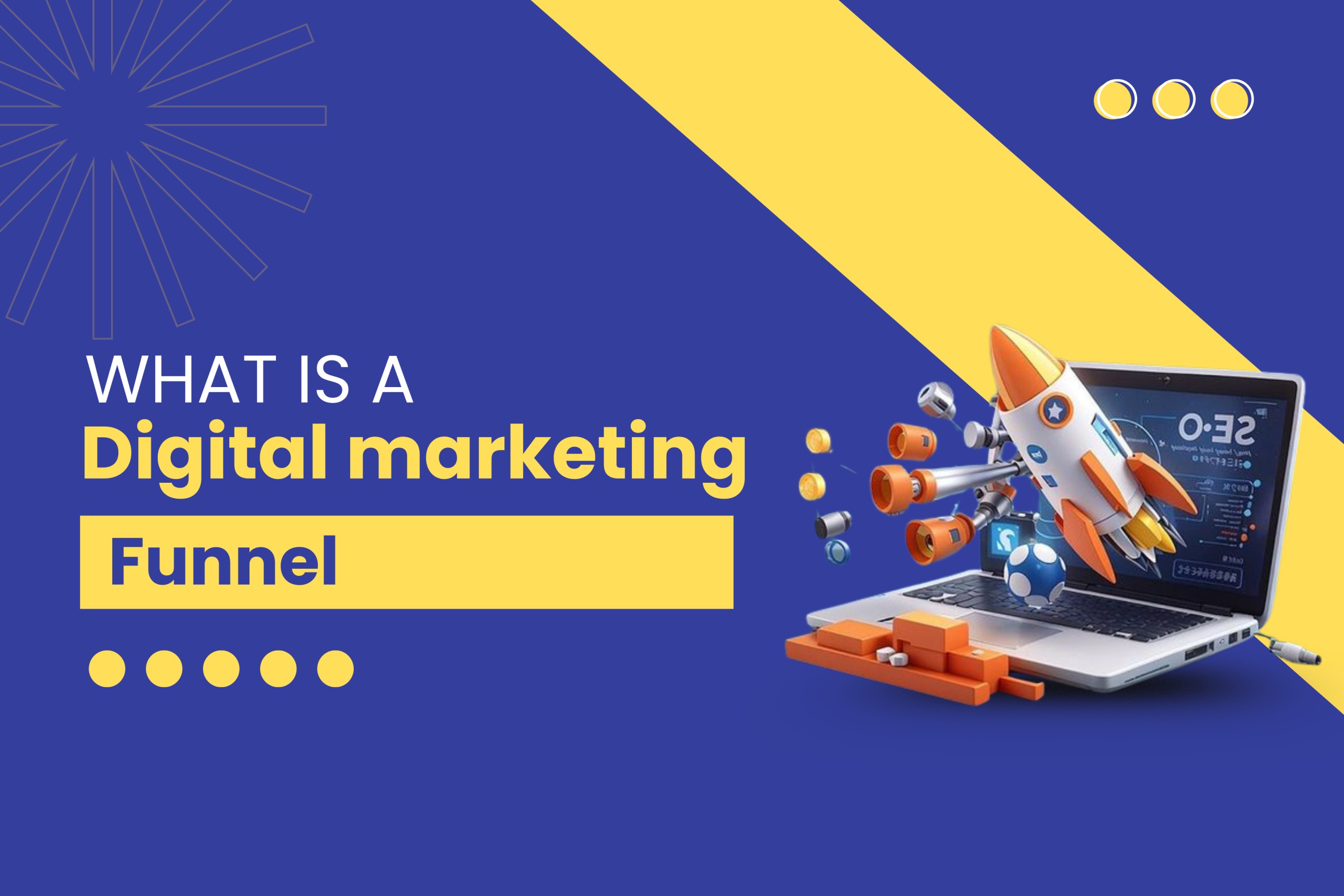
A digital marketing funnel is a structured process that shows how a potential customer moves from discovering a brand to becoming a paying customer and eventually a loyal one. In simple words, it explains the complete online journey of a user, starting from awareness and ending with conversion and retention. Every successful online business uses a digital marketing funnel to guide users step by step instead of directly trying to sell products or services.
In today’s competitive online market, just getting website traffic is not enough. Many businesses fail because they focus only on traffic and ignore the conversion process. A digital marketing funnel helps businesses attract the right audience, build trust, nurture leads, and convert them into customers. Without a proper funnel, marketing efforts become random and results remain inconsistent.
The first stage of a digital marketing funnel is the awareness stage. This is where people first come to know about your brand, product, or service. At this stage, users are not ready to buy anything. They are simply searching for information, solutions, or answers to their problems. Blog posts, social media content, YouTube videos, reels, and search engine optimization play a major role in creating awareness. The main goal of this stage is visibility and reach, not selling.
Once users become aware of your brand, they enter the interest or consideration stage. In this stage, users start engaging with your content and want to learn more about your offerings. They may read your blogs regularly, follow you on social media, or subscribe to your email list. This is the stage where trust-building is most important. Free resources like guides, checklists, webinars, and email newsletters help in nurturing leads and keeping your brand in their mind.
The next stage is the conversion stage, which is also known as the bottom of the funnel. This is where users are ready to take action. They already trust your brand and understand how your product or service can solve their problem. Sales pages, product demos, free trials, discount offers, and consultation calls work best at this stage. The main objective here is to convert leads into paying customers using strong value propositions and clear calls to action.
After conversion, the final stage of the digital marketing funnel is retention and loyalty. Many businesses ignore this stage, but it is one of the most profitable parts of the funnel. Retaining existing customers is cheaper than acquiring new ones. Email follow-ups, WhatsApp marketing, customer support, loyalty programs, and upselling strategies help in maintaining long-term relationships. Happy customers often become brand advocates and bring free referrals.
A digital marketing funnel works smoothly when each stage is properly planned and optimized. For example, a user may discover your brand through a Google search, read your blog, download a free resource, receive nurturing emails, and finally purchase your service. This structured journey improves user experience and increases conversion rates.
Using a digital marketing funnel offers many benefits for online businesses. It helps in better audience targeting, improved lead quality, higher conversion rates, reduced advertising costs, and predictable sales growth. Businesses can track user behavior at every stage and optimize their marketing strategy accordingly.
In conclusion, a digital marketing funnel is not just a marketing concept but a powerful growth strategy. Whether you run a service-based business, an eCommerce store, or a personal brand, a well-optimized digital marketing funnel can help you generate quality leads and consistent revenue. Instead of selling immediately, focus on educating, nurturing, and guiding your audience. That is the real secret of long-term online success.
POPULAR POSTS
Minimum Budget for Facebook Ads in India in 2025 – What Works
Tue, 20 Jan 2026
How PHP and Laravel Help Build Secure Websites | PHP Security
Tue, 20 Jan 2026

Why UX And UI Is Important For Mobile Application Development
Sat, 01 May 2021
How Page Speed Affects SEO & Conversion Rates | Real Insights 2026
Tue, 27 Jan 2026RECENT POSTS
How Page Speed Affects SEO & Conversion Rates | Real Insights 2026
Tue, 27 Jan 2026
Website API Development: How to Boost Scalability & Functionality
Tue, 27 Jan 2026
Minimum Budget for Facebook Ads in India in 2025 – What Works
Tue, 20 Jan 2026
How PHP and Laravel Help Build Secure Websites | PHP Security
Tue, 20 Jan 2026
Why Every Business Needs a Mobile App Today – Simple Guide
Tue, 20 Jan 2026